Wroxton Fields Quarry: A Balanced Decision
Why the Planning & Regulation Committee approved Wroxton Fields Quarry’s extension, and how conditions will protect the local community.
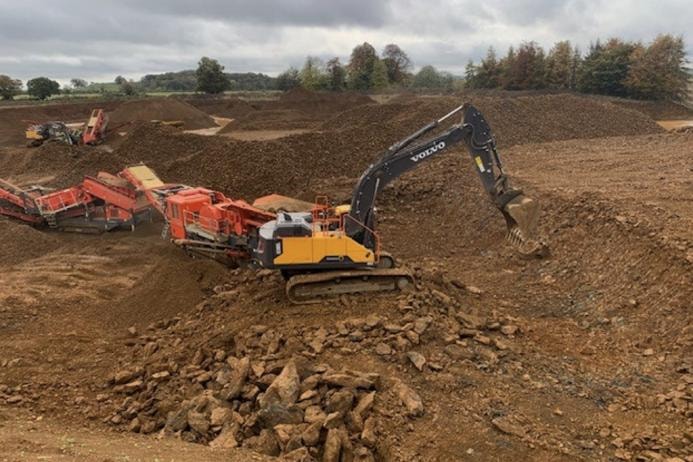
As a member of Oxfordshire County Council's Planning & Regulation Committee, I recently took part in the consideration of the application relating to the extension and continued operation of Wroxton Fields Quarry. This was a decision that attracted significant public interest, with strong views expressed both in support of and against the proposal.
Local concerns raised at the hearing
At the hearing, local residents, Wroxton Parish Council and the local county councillor, Chris Brant, spoke passionately about their concerns. The principal issues raised were the proximity of future quarrying operations to Wroxton village and Wroxton Primary School, together with concerns about dust, air quality, noise, HGV movements and the potential impact on public health. Particular concern was expressed about extraction taking place close to the school playground and school buildings. Objectors argued that the application should be redesigned so that quarrying activity would be located further away from the village and school.
Representatives of Wroxton Parish Council also questioned elements of the environmental evidence submitted with the application and highlighted ongoing concerns raised by residents regarding lorry movements and early-morning vehicle queuing. While acknowledging that the quarry operator had generally responded positively to issues raised through the liaison group, they maintained that the proposed extension remained too close to sensitive locations and should be refused.
The case for the application
The applicant, Earthline Ltd, presented a different case. Their representatives emphasised that Oxfordshire has a continuing need for locally sourced minerals and noted that the county's aggregate reserves were becoming increasingly limited. They argued that the proposal complied with national and local planning policy, was supported by detailed environmental assessments and included measures to manage noise, dust and traffic impacts. They also pointed to the proposed restoration scheme, drainage improvements and biodiversity enhancements, including biodiversity net gain.
Assessing the evidence
Committee members carefully examined the evidence from both sides. We questioned speakers about dust monitoring, air quality assessments, vehicle management, environmental controls and the proposed conditions that would govern the site's operation. Officers advised that there were no outstanding objections from the relevant technical consultees and that the environmental assessments submitted with the application demonstrated compliance with planning policy requirements.
Like many planning decisions, this was not a straightforward choice between a perfect option and an unacceptable one. The committee had to weigh the genuine concerns of local residents against the planning evidence before us, the advice of professional officers and the county's responsibility to maintain a supply of minerals for construction and infrastructure projects.
Why I supported approval
Having considered the information presented at the meeting, I was satisfied that the proposal could be appropriately controlled through the planning conditions and legal agreement recommended by officers. For that reason, when the motion to approve the application was proposed, I was pleased to second it. The committee subsequently voted unanimously to approve the application, subject to a legal agreement and a range of planning conditions designed to monitor and mitigate impacts arising from the quarry's operation.
I appreciate that many local residents will be disappointed by the outcome. However, planning committees must make decisions based on planning law, adopted policy and the evidence before them rather than personal preference alone. While opinions on the application differed, I believe the committee reached a decision that was consistent with the planning framework and the professional advice provided.
Ongoing monitoring and accountability
Going forward, I will continue to support robust monitoring of the site's activities and encourage ongoing engagement between the operator, local residents, parish councils and county council officers to ensure concerns are addressed promptly and transparently. Effective communication and accountability will be essential to maintaining trust and ensuring that the conditions attached to the permission are properly upheld throughout the operation of the quarry.
Explore Topics
Written by
Paul-Austin Sargent
County Councillor for Banbury Grimsbury & Castle, Oxfordshire County Council.