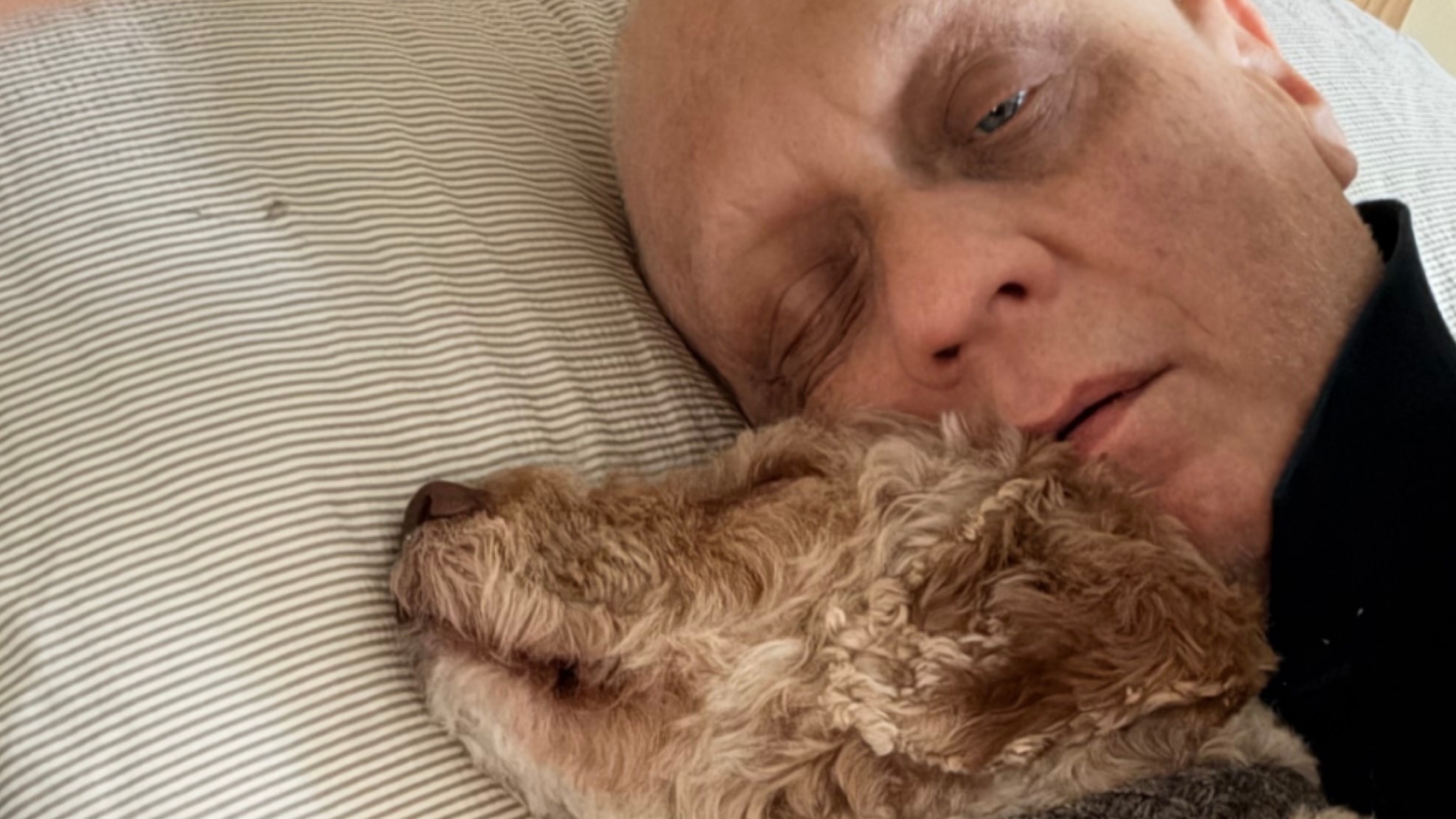
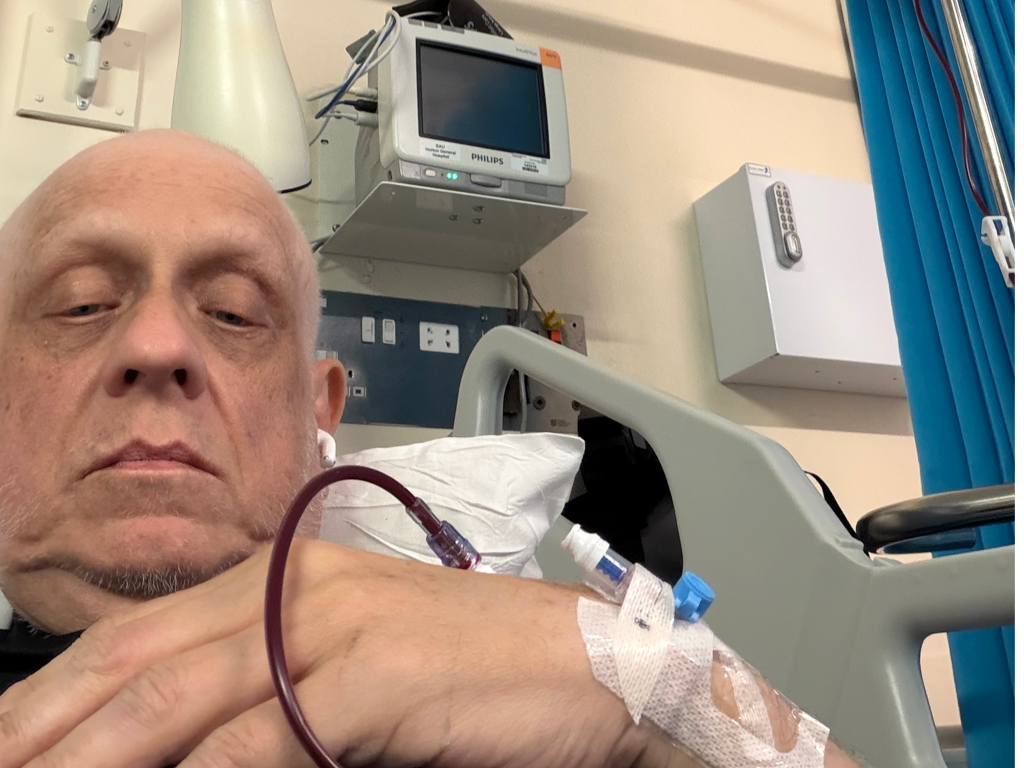
A new chapter: joining a global clinical trial
My chemotherapy at the Brodey Cancer Centre has come to an end — it was not working. But a DNA breakthrough has changed everything. I am now taking part in a global clinical trial for a new drug through the Sarah Cannon Research Institute in London.
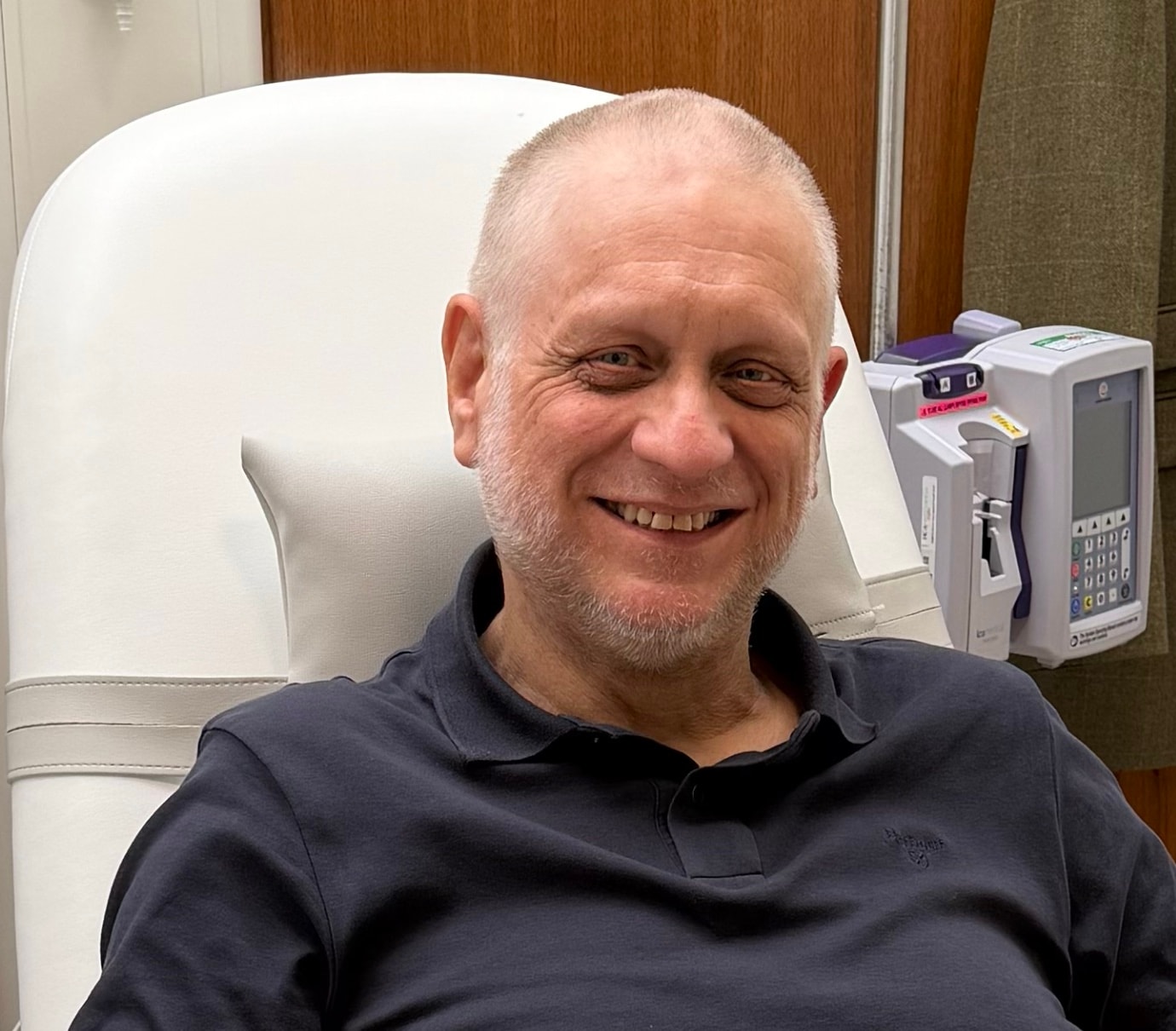
A new chapter: joining a global clinical trial
My chemotherapy treatment at the Brodey Cancer Centre here in Banbury has come to an end. The regimen — Gemcitabine combined with nab-paclitaxel — is a standard chemotherapy used for common pancreatic cancers, but not for the type I have. It was no longer working, and continuing with it was not the right path.
That is the difficult news. But there is something else to tell you, and it is genuinely significant.
A breakthrough in understanding my cancer
My cancer is exceptionally rare. Pancreatic Acinar Cell Carcinoma (PACC) is a malignant neoplasm that accounts for only a tiny fraction of all pancreatic cancers. Our understanding of this disease remains limited — there are no large series of patients with PACC, and the research base is thin.
What has changed everything is DNA testing on my biopsies. The results have revealed that my cancer is not driven by a mutation, as is common in many cancers, but by an unusual fusion — a chromosomal rearrangement. This distinction matters enormously. It means my cancer is now potentially treatable in a way that was not previously understood.
This is a genuine breakthrough for me personally, and I want to be clear about what it means: there is now a targeted treatment that may work where standard chemotherapy could not.
Why does a gene fusion matter?
- Different Genetic Glitches: A mutation is like a typo in a single word of an instruction manual. A gene fusion is like two entirely different pages of the manual getting torn out and stuck together, creating a brand-new, abnormal instruction that tells the cell to grow uncontrollably.
- Targeted Therapies: Because a gene fusion creates a very specific, unique "fusion protein," scientists have been able to design highly specialised drugs called targeted therapies (or kinase inhibitors).
- Precision Medicine: These drugs are designed to bind directly to that specific fusion protein and shut it down, often leaving healthy cells alone. This is frequently much more effective and less toxic than traditional chemotherapy.
The Sarah Cannon Research Institute and Plixorafenib
I am now taking part in a global clinical trial for the drug Plixorafenib, developed by the American pharmaceutical company FORE Biotherapeutics and run through the Sarah Cannon Research Institute in London. Sarah Cannon is one of the world's leading oncology research organisations, and this trial is part of an international effort to understand how this drug performs against cancers driven by the kind of chromosomal fusion identified in my biopsies.
My treatment is a daily regime of tablets. I travel to London once a week for tests and monitoring. It is a significant commitment, but one I am making willingly — both for my own health and because participation in trials like this contributes to knowledge that may help others with rare cancers in the future. FORE Biotherapeutics are funding my trial and treatment in full.
What this means for my work
I am continuing as your County Councillor. The weekly London visits and the daily treatment regime are manageable alongside my responsibilities, and I remain committed to the people of Banbury Grimsbury & Castle.
There will be days when I am not at full capacity, and I will always be honest with you about that. But I am not stepping back. The issues that matter to this division — roads, housing, health services, community safety — have not paused, and neither have I.
A word of thanks
I want to thank the team at the Brodey Cancer Centre for everything they have done. The care I have received in Banbury has been exceptional, and I remain a fierce advocate for the centre and for the services it provides to our community.
I also want to thank the many people who have written, messaged and stopped me in the street to offer their support. It means more than I can easily express.
If you or someone you know has been affected by pancreatic cancer or a rare cancer diagnosis, the following organisations offer information and support:
- Pancreatic Cancer UK — specialist support and a helpline at 0808 304 7644
- Macmillan Cancer Support — practical, emotional and financial support, helpline at 0808 808 00 00
- Cancer Research UK — information on clinical trials and rare cancers
Paul-Austin Sargent is the County Councillor for Banbury Grimsbury & Castle. You can contact him at [email protected] or via the contact page.
Explore Topics
Written by
Paul-Austin Sargent
County Councillor for Banbury Grimsbury & Castle, Oxfordshire County Council.